Types of Yoga Poses
 Related Articles
Continued...
It is believed by ancient yogis that for man to harmonize with the environment and himself, he has to unite the spirit, mind and body, and for all of it to be united, there must be balance in the physical, emotional and spiritual aspect of life. The way to maintain and achieve this balance is through meditation, breathing, and yoga postures. Thus, both the body and the mind are used when practicing yoga exercises, as it requires perseverance and willpower to be able to perform each of the yoga asanas. Regular practice of the yoga positions can result in plenty of benefits, including stimulation of the internal organs and improving blood circulation. Yoga stretches provide benefits to the mind and body and bring about balanced energy flow. This is especially helpful for women who are in the menopause transition or currently in menopause.
Types
The different types of yoga poses serve various purposes and include levels of difficulty in different ranges. Some of the yoga poses provide more benefits than others.
- Arm balance Poses: Arm balance poses help strengthen the core and arms. These poses will involve either supporting your whole body with your arms or just your upper body. Some of the arm balance poses include DandasanaPlank Pose), Chaturanga Dandasana or the Four-Limbed staff Pose, Vasisthasana (Side Plank Pose), Bakasana (Crane Pose), Astavakrasana (Eight Crooked Limb Pose), and Pincha Mayurasana (Feathered Peacock Pose).
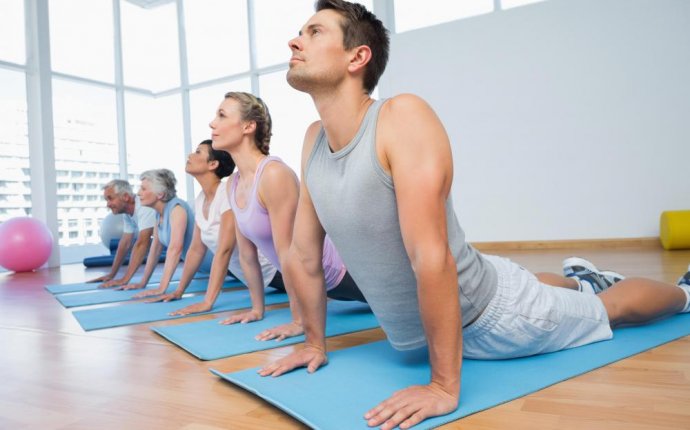
- Backbend Poses: There are many ways in which the backbend poses can be practiced. Poses like Dhanurasana (Bow Pose) begin with the student on the stomach and builds back flexibility and leg strength. Students perform Natarajasana (Lord of the Dance Pose) from a standing position to improve balance as well as flexibility. Some other backbends include Setu Bandha Sarvangasana (Bridge Pose), Bhujangasana (Cobra Pose), Ardha Bhekasana (Half Frog Pose), Kapotasana translated into the King Pigeon Pose and Urdhva Dhanurasana (Upward Bow or Wheel Pose).
- Bandha Poses: While there are many yoga bandha poses, the most common ones are Jalandhara Bandha (Net-Bearer Bond), Uddiyana Bandha (Upward Abdominal Lock), and Mula Bandha (Root Bond). Each bandha is considered a lock, which closes a certain part inside the body. These locks are made use of in various asanas and pranayamas to energize, cleanse and stimulate the organs. When all the three locks or the three bhandas are simultaneously activated, it is known as the great lock or maha bandha.
- Core Poses: Core poses are yoga poses that strengthen your abs and core. Some of the core poses include Marjaryasana (Cat Pose), Bakasana (Crane Pose), Ananda Balasana (Happy Baby Pose), Bhujapidasana (Shoulder-Pressing Pose), Anantasana (Side-Reclining Leg Lift) and Paripurna Navasana (Full Boat Pose).
- Forward Bend Poses: Forward bend poses help strengthen the organs of the abdomen and stretch the hamstrings and back muscles. Some of the forward bend poses include Adho Mukha Svanasana (Downward Facing Dog), Uttana Shishosana (Extended Puppy Pose), Parsvottonasana (Intense Side Stretch Pose) Marichyasana I (Pose Dedicated to the Sage Marichi, I), Ardha Uttanasana (Standing Half Forward Bend) and Prasarita Padottanasana (Wide-Legged Forward Bend).
- Inversion Poses: Inversions are known to be effective in cleaning the circulatory system, stimulating the glands, and reducing fatigue. In a full inversion, you will need to bring your feet over your head like in Sirsasana (Headstand) and Sarvangasana (Shoulder stand). These inversions help build core strength and endurance. Yoga poses like Uttanasana (Standing Forward Fold) and Setu Bandha Sarvangasana (Bridge Pose) are half inversions.
- Meditation Poses: Using meditation poses for meditation is considered to be better than lying down. This is because it reduces the chances of you going to sleep. Some of the meditation poses include Padmasana (Full Lotus Posture), Ardha Padmasana (Half Lotus Pose), Egyptian Pose, and Burmese Pose.
- Pranayama Poses: Pranayamas are effective in bringing about good health through the process of breathing. The pranayama exercises improve breathing technique from rapid and shallow breathing to a healthy duration of breathing. Some of the good pranayama poses you can practice the breathing exercises on are Sukhasana (Easy Pose), Ardha Padmasana (Half-Lotus Pose) and Padmasana (Lotus Pose).
- Restorative Poses: The aim of the restorative poses is to bring about relaxation. Some of the restorative poses are Balasana (Child’s Pose), Viparita Karani (Legs-Up-the-Wall Pose), and Savasana (Corpse Pose).
- Seated & Twist Poses: Seated and twist poses are effective in increasing the flexibility of the spine. Deep twists are also known for their detoxifying and cleansing benefits. Some of the seated and twist poses are Bharadvajasana I (Bharadvaja's Twist), Gomukhasana (Cow Face Pose) and Agnistambhasana (Fire Log Pose).
- Standing Poses: Standing poses help increase flexibility and strength. They can also increase your awareness of body posture and energize your body. Some of the standing poses include Tadasana (Mountain Pose), Trikonasana (Triangle Pose) and Uttanasana (Standing Forward Bend).


